
On World Environment Day, motorcycle sport shifts from narrative to evidence. Across championships, teams and federations, FIM Sustainability Week serves as a working platform where initiatives are implemented, examined and shared, reflecting continuous work rather than a symbolic moment.
Superbike: from strategy to measurable change
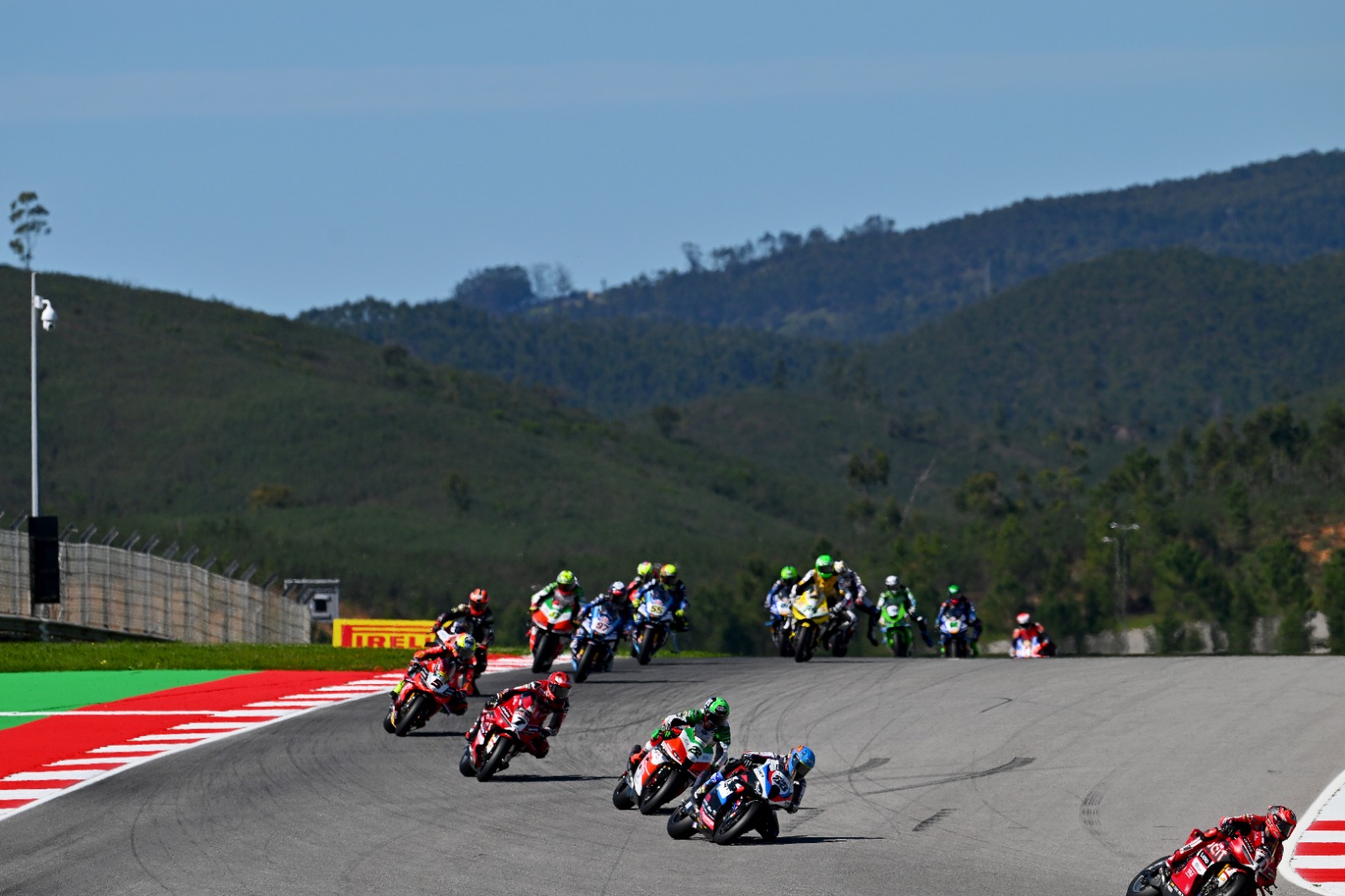
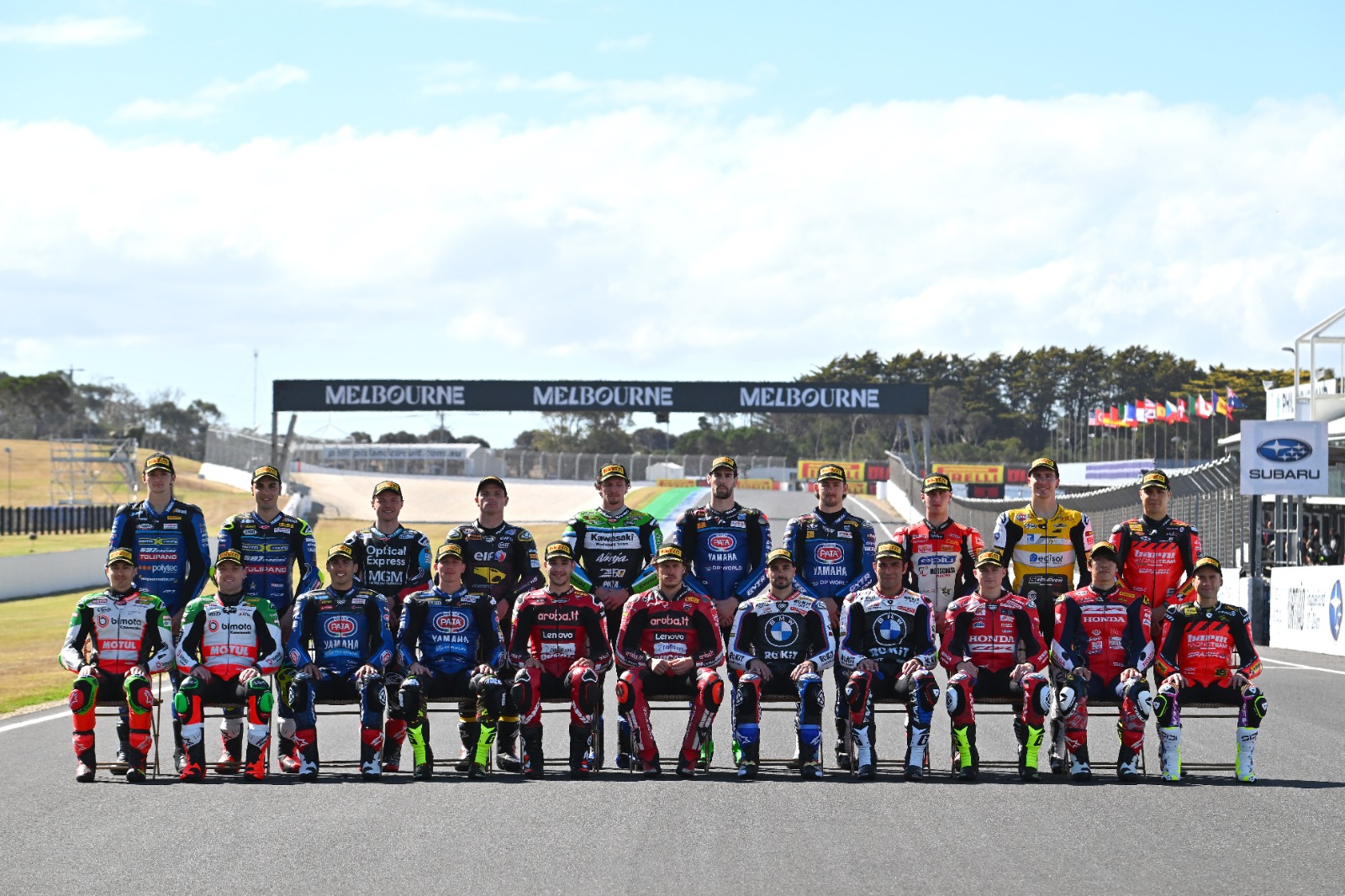
WorldSBK marks the day with a structural milestone: entry into the Top ten of the 2026 Sustainable Championships Index™, rising from eighteenth place and positioning itself among the most improved international series.
The recognition reflects the integration of sustainability within governance, operations and event delivery, supported by certifications such as ISO 20121 and ISO 45001.
At paddock level, this direction translates into operational choices. The bimota by Kawasaki Racing Team continues deploying solar-powered systems combining bifacial panels, battery storage and smart energy management, reducing reliance on external supply while supporting hospitality and technical operations.
In parallel, GYTR GRT Yamaha has become the first team in the championship to complete an independently verified ESG assessment, establishing measurable baselines across key areas such as waste, safety and governance, and defining a structured roadmap for improvement.
Collaboration with SUBARU, the official safety car provider, introduces electrified vehicle technology into the championship, aligning motorsport with broader mobility transitions and long-term environmental objectives.
Taken together, these actions reflect a shift toward data-driven, operational sustainability.
No nature, no motorcycling: the sport looks to its environment to evolve
As part of FIM Sustainability Week, the FIM Sustainability Commission will host a dedicated online session today - 5 June 2026 at 12:00 (CEST), inviting the global FIM Family to engage in a technical discussion on Nature-based Solutions (NbS) applied to motorcycle sport.
The session will be led by Dr. Gustavo Duque Estrada, Biodiversity lead at WSP and member of the IUCN, bringing scientific and applied expertise to the conversation.
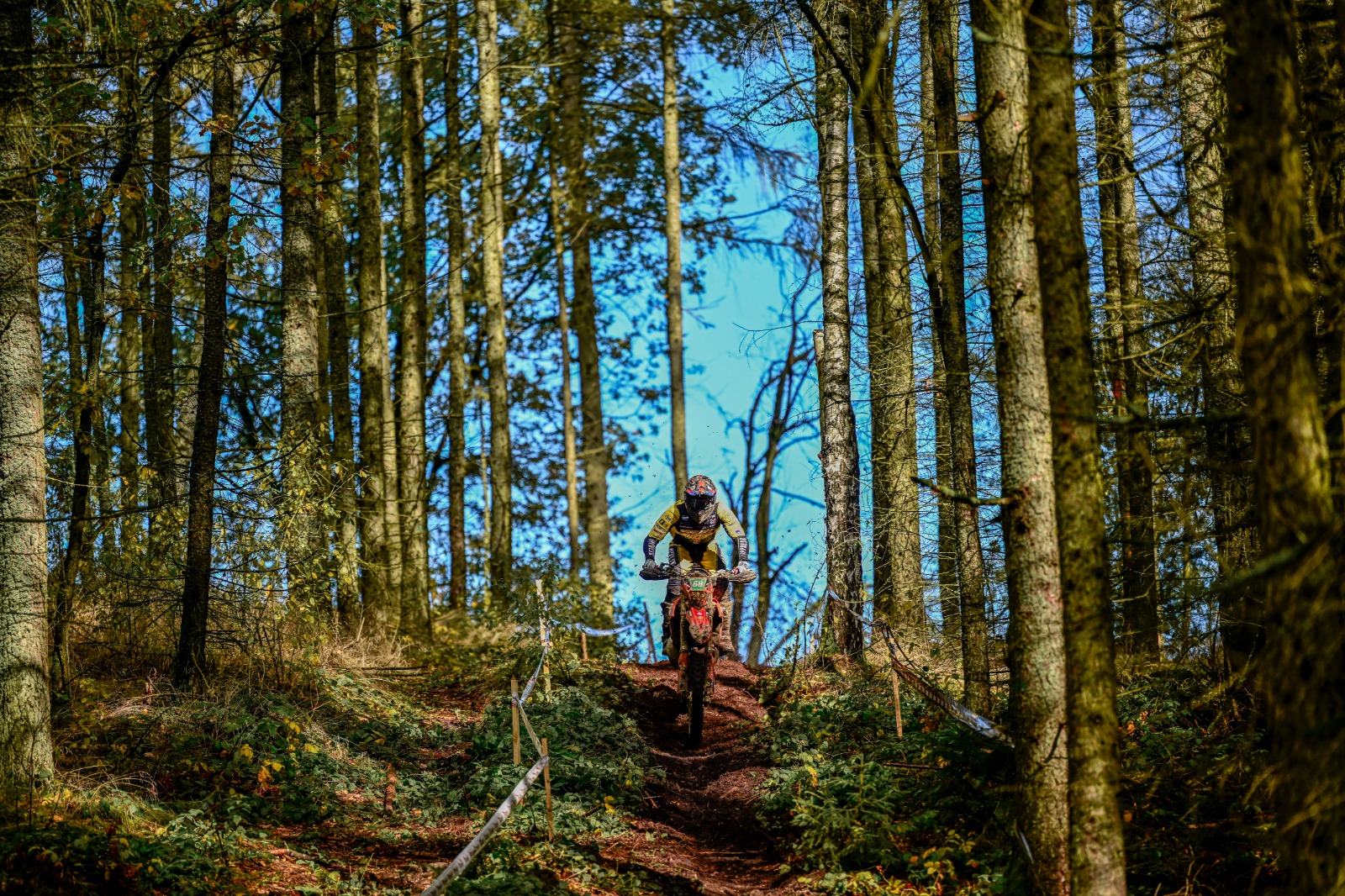
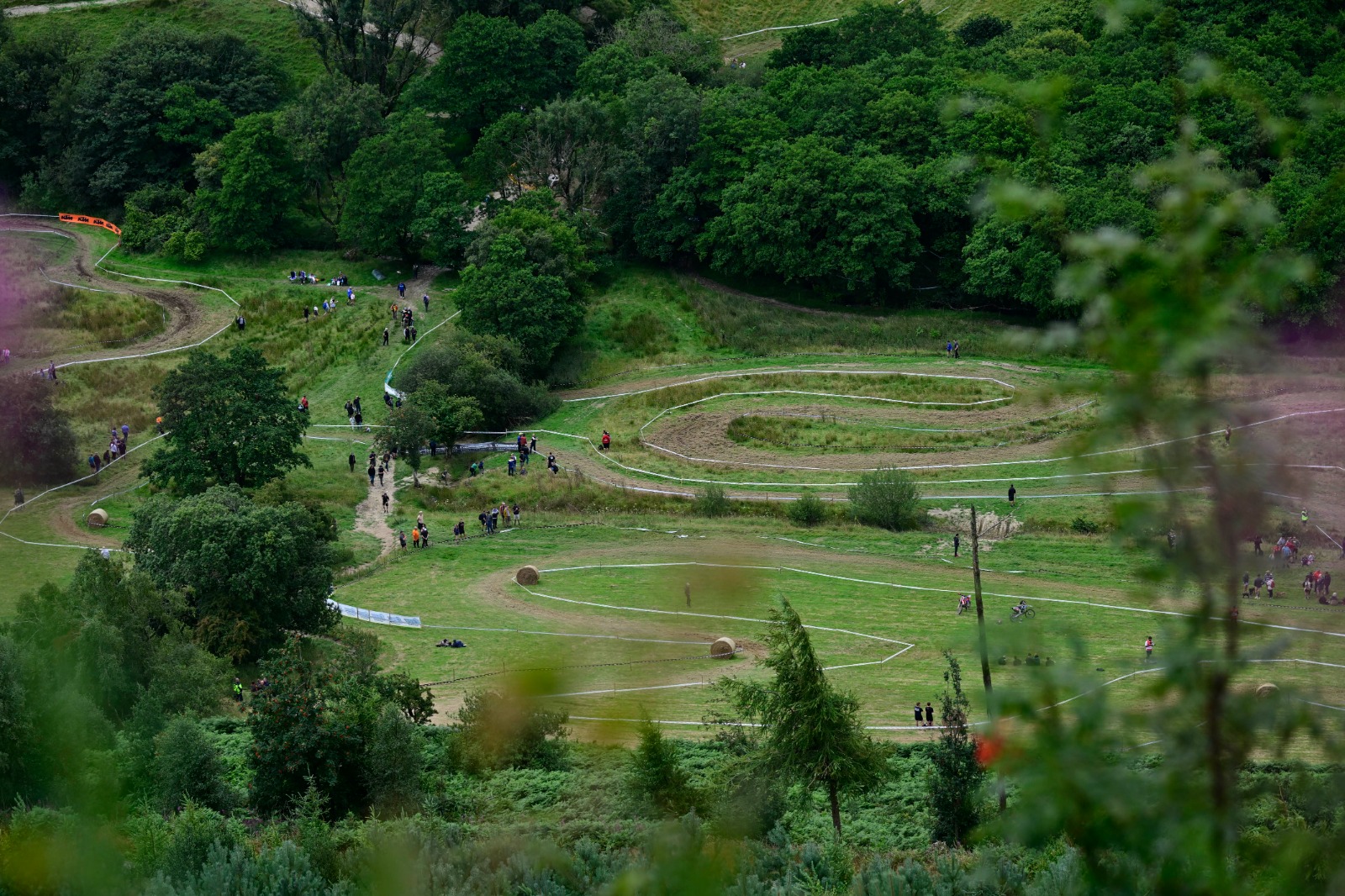
The focus reflects a core operational reality: motorcycle events depend on the integrity of natural environments. From circuits to off-road terrains, challenges such as erosion, biodiversity loss and land degradation directly affect the sustainability and viability of events.
Key topics include:
- Erosion control and ecosystem protection
- Sustainable off-road and trail management
- Habitat restoration around tracks and venues
- Carbon offsetting through nature
- IUCN Global Standard for NbS
- Alignment with the TNFD framework
The session also acts as an open invitation to align environmental knowledge with practice, reinforcing the role of science-based approaches in event planning and delivery.
Damiano Zamana, FIM Deputy CEO and Operations Director said: “Motorcycle sport is deeply connected to the natural environments in which it takes place. As we celebrate World Environment Day and FIM Sustainability Week, this session provides a valuable opportunity to explore practical and innovative approaches that help protect and restore nature while supporting the sustainable development of our events and activities.
I encourage all members of the FIM Family and our Stewards to join this important discussion and contribute to our shared commitment to a more resilient, responsible, and nature-positive future for motorcycle sport.”
RFME: practical guidance for immediate implementation
The Real Federación Motociclista Española (RFME) is contributing to World Environment Day with a pragmatic approach, centred on five sets of operational guidelines addressed to organisers, officials and members.
These “Ten Commandments” translate sustainability into clear, structured and achievable actions, designed to be implemented directly at event level without requiring complex resources or structural changes.
The measures focus on areas such as resource efficiency, waste reduction, responsible behaviour in paddock and venue environments, and improved environmental awareness among participants and officials. By targeting everyday practices rather than isolated initiatives, the RFME approach seeks to embed sustainability into the routine management of events.
The initiative also recognises the operational realities faced by organisers, particularly at national and regional levels, where constraints in logistics, budget and infrastructure require solutions that are both practical and scalable.
Rather than positioning sustainability as a separate layer of requirements, the guidelines aim to integrate it into existing workflows, reinforcing a model based on incremental improvement and consistency over time.
In this context, the RFME action reflects a broader shift within the sport: moving from high-level commitments to accessible tools that enable implementation across the full calendar, ensuring that progress is not limited to flagship events but extended throughout the entire ecosystem.
ACU: awareness built on long-standing environmental action
The Auto Cycle Union (ACU) is marking World Environment Day with a broad awareness campaign engaging riders, clubs and organisers, promoting sustainability as a shared responsibility across the sport.
This initiative builds on more than three decades of environmental work. Since establishing its Environment Working Group in 1993 and introducing its first Environment Code in 1995, the ACU has progressively integrated sustainability into event management.
From early milestones such as hosting the first FIM Environmental Seminar in 1997, creating Environmental Stewards, and introducing practical measures like ground protection systems, to more recent actions including noise reduction targets, electric racing initiatives, and carbon measurement pilots, the organisation has maintained a continuous approach.
Today, supported by a network of trained officials and updated sustainability frameworks, the ACU’s campaign reflects a long-term model where progress is driven by consistent action, technical development and community engagement.
A collective moment grounded in year-round work
World Environment Day serves as a checkpoint within a broader, ongoing process across the motorcycle community.
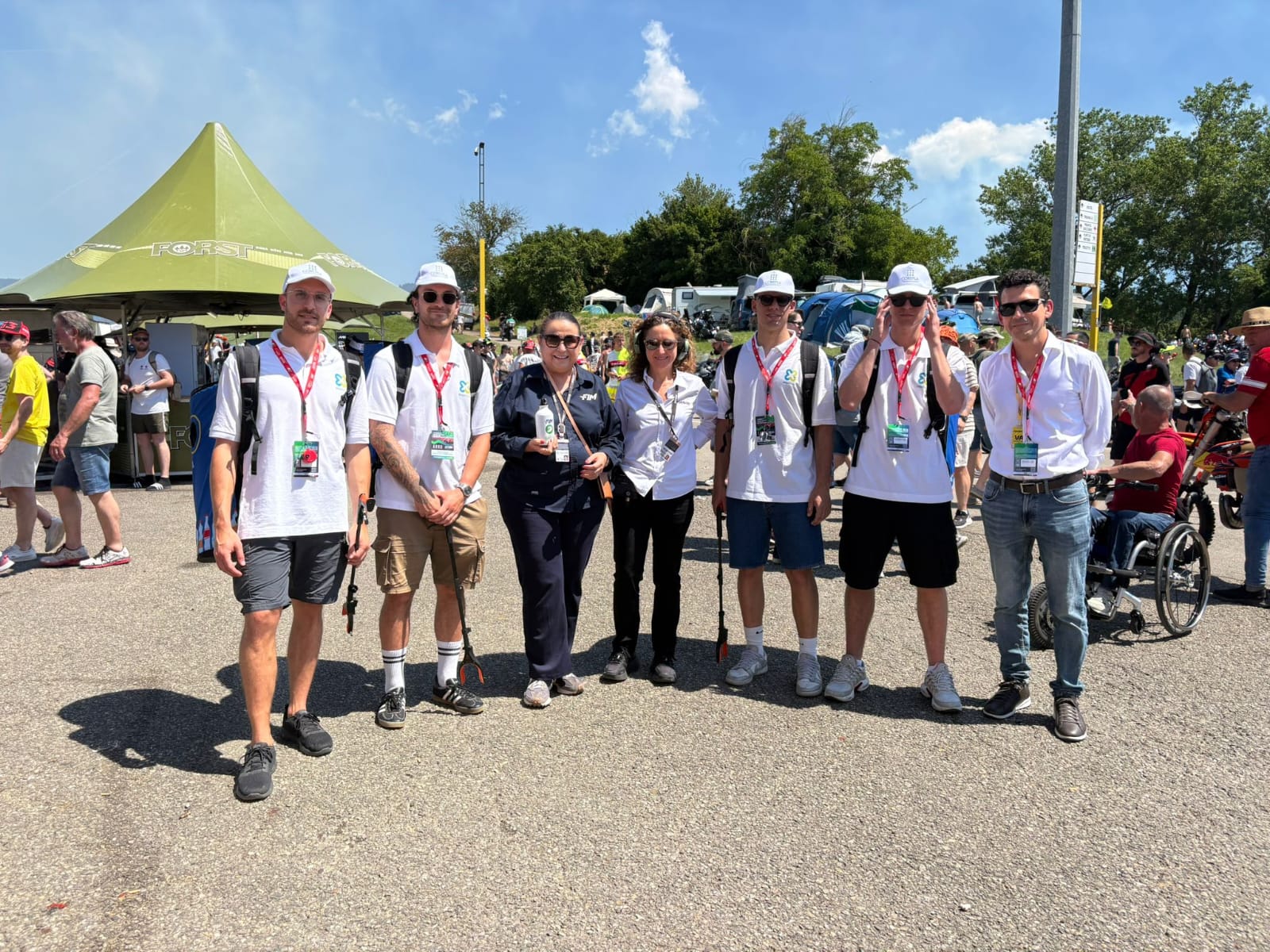
Kattia Juárez, FIM Sustainability Commission Director concluded: “World Environment Day is an opportunity to come together as a global motorcycling community — not only to raise awareness, but to demonstrate that concrete actions are already taking place across the sport.
The level of engagement and enthusiasm we have seen throughout this week confirms that sustainability is a shared effort. Each initiative contributes to a collective impact that extends well beyond a single day.”
With further activities still ahead, Sustainability Week reinforces a consistent message: sustainability in motorcycle sport is built progressively, through coordinated actions, practical solutions and shared responsibility.