
On the seventh and final day of FIM Sustainability Week, the focus turns to a project that brings the organisation closer to where decisions are made, and events unfold: the FIM Hospitality initiative.
Taking FIM hospitality to the heart of the action
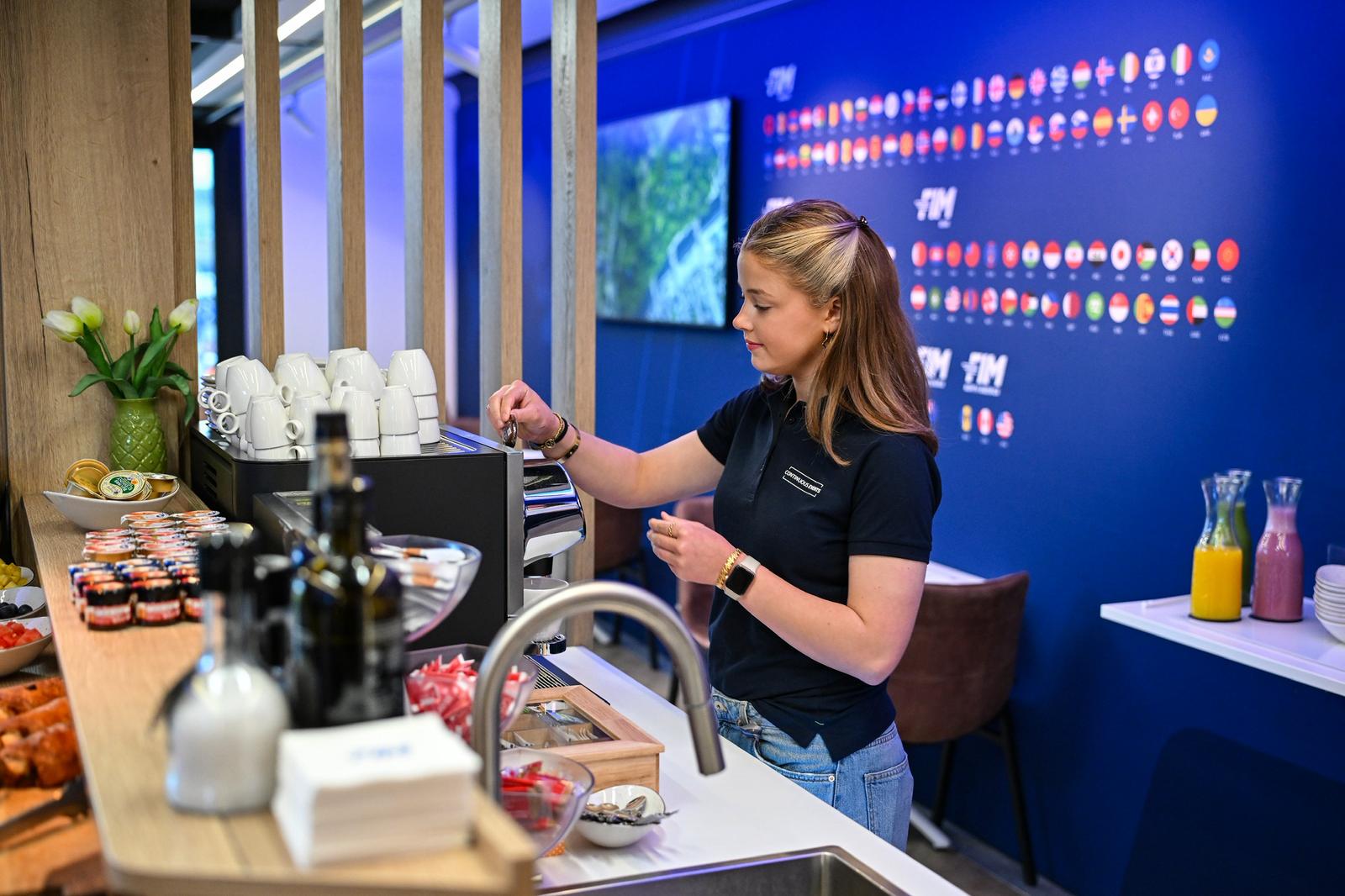
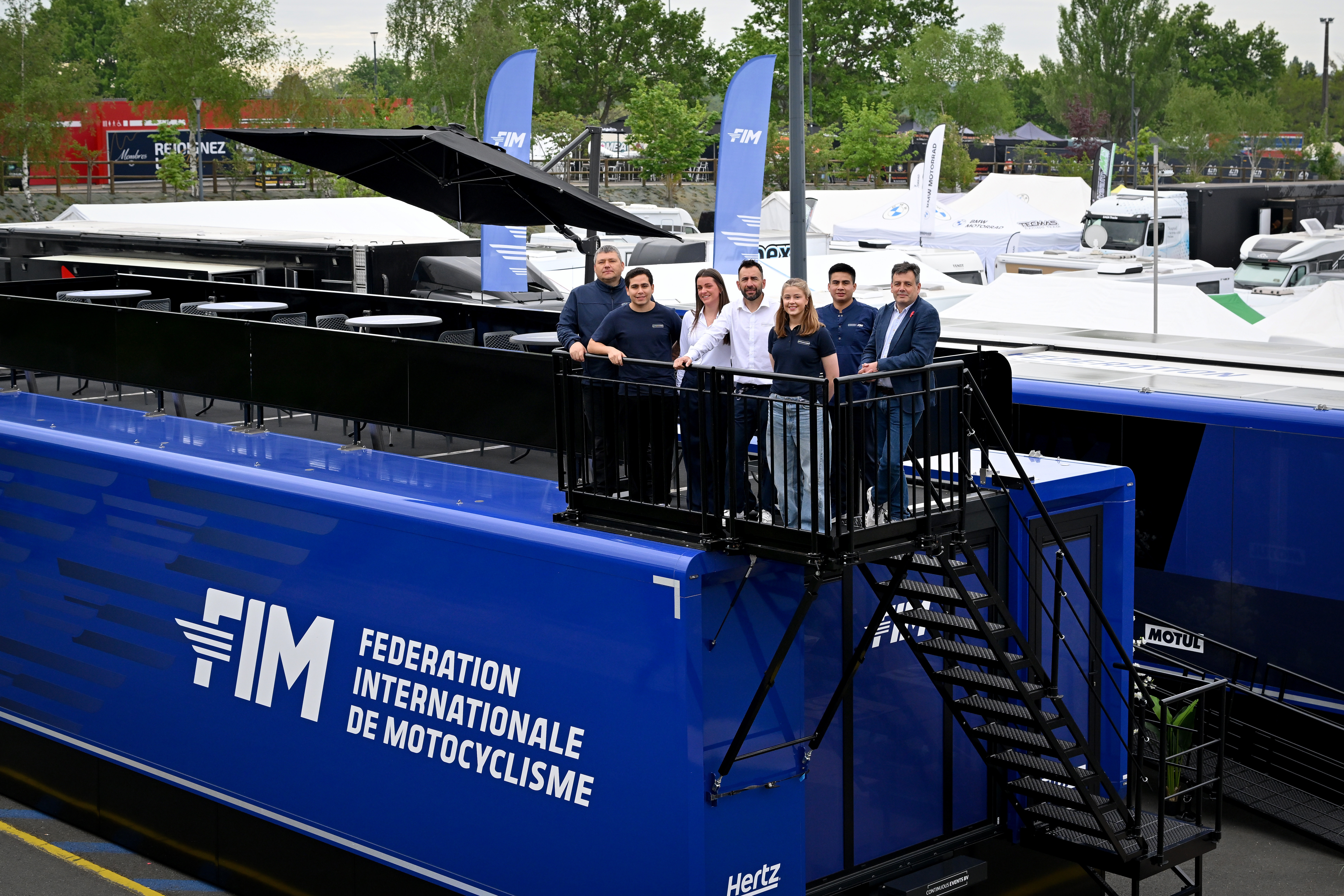
The concept is straightforward - to establish a functional FIM presence at the paddock, positioning a “home on the road” at the centre of operations. This space providesFIM stakeholders with an opportunity to meet, collaborate, and share perspectives on technical, sporting, sustainability, mobility, and many other topics within a setting closely connected to the event environment.
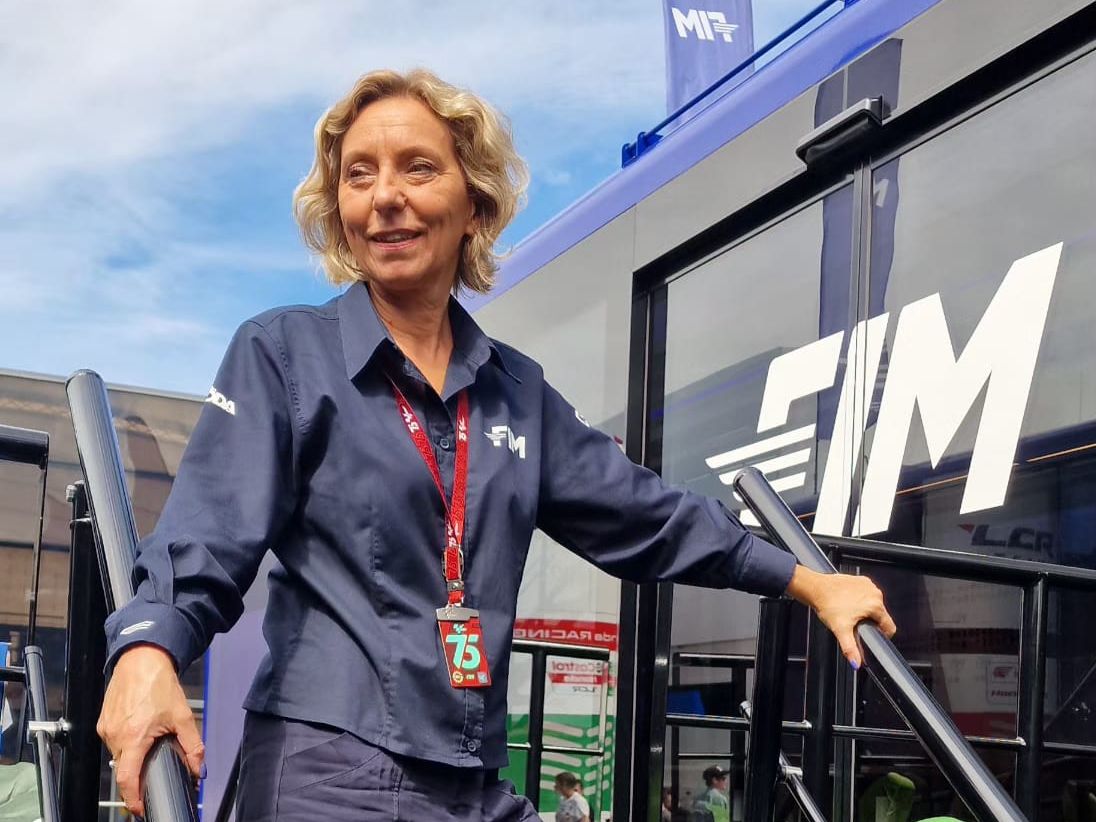
“When we embarked on this project, one of our primary goals was to achieve self-sufficient units that are more energy-efficient and operate in a more sustainable way. We needed a solution that aligned with FIM’s sustainability policy while also being financially viable,” explains Isabelle Larivière, FIM Communications Manager.
From operational sustainability to a broader vision
The development of this model has been supported by Continuous Events, a company specialising in hospitality operations with more than eight years of experience in the sector. Its work has focused on adapting event structures to improve efficiency and reduce dependency on external resources, while maintaining service standards.
Over time, the collaboration between FIM and Continuous Events has evolved beyond operational improvements. The current phase introduces a broader perspective on sustainability, incorporating not only environmental considerations but also social factors linked to people, training and long-term workforce development.
A model built on relationships
This shift is reflected in the introduction of an educational framework based on “value spheres”. The model understands value as the outcome of interconnected relationships rather than isolated processes.
At its centre is the client, identified as the priority for both the FIM and the operator. Surrounding this are successive layers: staff responsible for delivering and safeguarding the experience of stakeholders and the wider FIM family, and a third sphere composed of suppliers and strategic partners, who provide resources, tools and knowledge while participating in a model that prioritises local sourcing.
As the structure expands, it integrates the broader community and industry actors. Within this approach, management is not positioned as the focal point but as a coordinating function — facilitating connections and ensuring that value flows consistently across all levels.
Addressing structural challenges in the sector
The initiative also responds to structural dynamics within the hospitality sector. The industry is currently facing constraints related to talent availability and a workforce characterised by high mobility between providers.
These conditions are influenced by market factors such as compensation, career progression and the seasonal nature of event-based work. In this context, there is increasing recognition of the need to strengthen professional development pathways and create more stable working environments.
Continuous Events Academy: training in real conditions
Against this backdrop, the Continuous Events Academy was launched in 2025. The programme aims to develop professionals capable of operating in complex, high-pressure environments such as international motorsport events.
Its distinguishing feature lies in its integration with academic institutions, bridging formal education with practical experience. The FIM's role is to provide institutional support and helps define a structured pathway for participants.
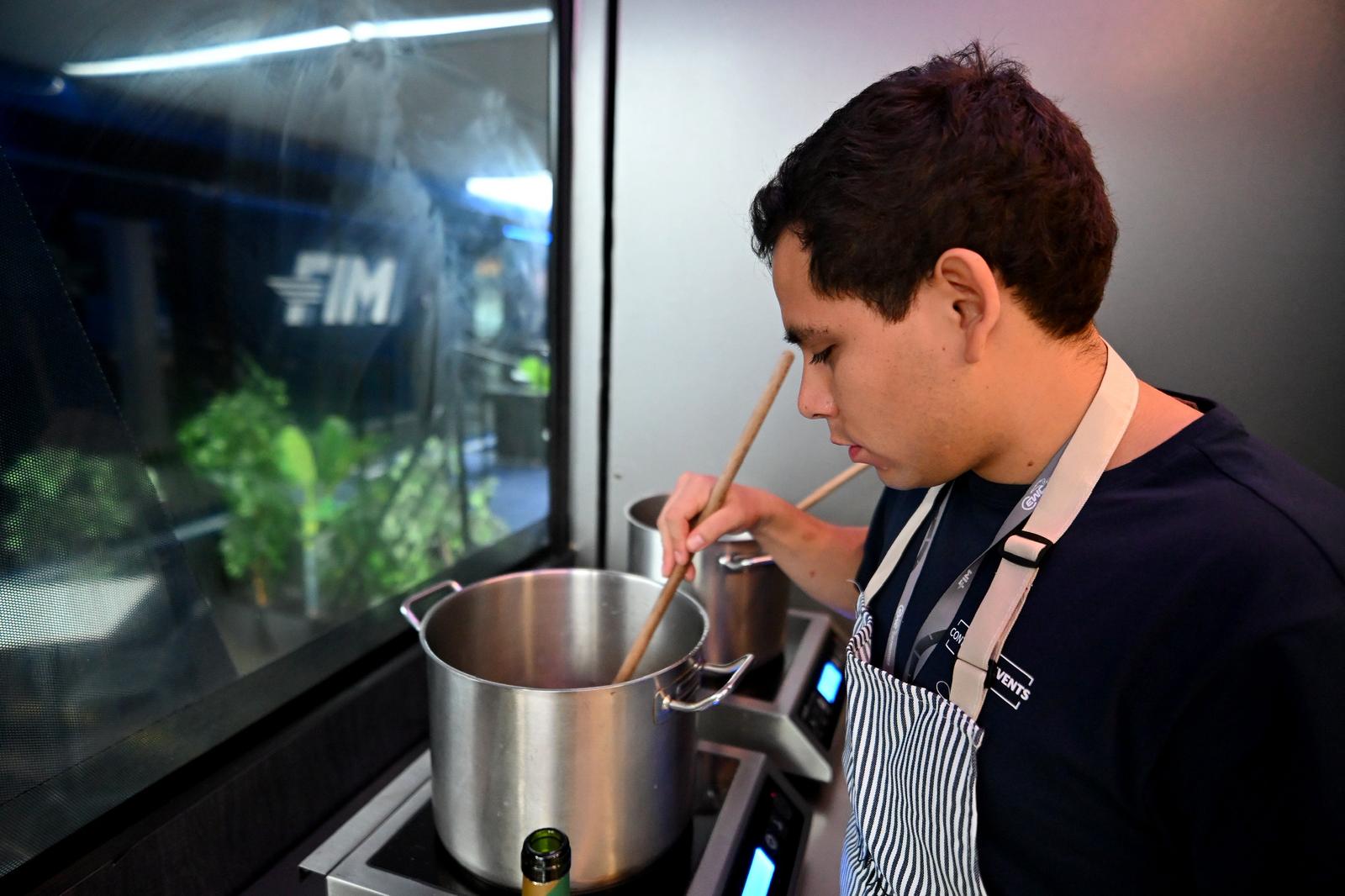
The Academy currently collaborates with the University of Twente in the Netherlands and Universidad Peruana de Ciencias Aplicadas (UPC) in Peru. Each partnership addresses a different gap: while Twente contributes strong theoretical foundations in event management, the programme introduceshands-on experience in live environments. In Peru, students with culinary expertise gain exposure to the operational demands of international events.
Participants are selected through a joint process with partner institutions and are integrated into events such as 24h Le Mans and MotoGP. There, they work under real conditions, developing operational skills including adaptability, decision-making and problem-solving.
Operational learning and mentorship
The programme also incorporates a rotating system of chefs and event managers. In the case of FIM events, chefs are tasked with designing menus that reflect local contexts while working with available resources, following a “zero-kilometre” sourcing approach.
Alongside them, a permanent operational team ensures continuity in service delivery and acts as a mentoring structure for participants. This combination of stability and rotation allows knowledge transfer without compromising the customer experience.
A long-term investment in people
The initiative reflects a shift in approach — from short-term operational efficiency to longer-term investment in human capital.
“Our vision with Continuous Events Academy is fully aligned with the FIM’s commitment to sustainability - not only in how we operate, but in how we develop people. We believe that investing in talent, creating real opportunities for growth, and fostering a culture of responsibility and adaptability is key to building a stronger future for the industry,” says Marcelo Carballar, CEO of Continuous Events.
For FIM, the project also connects directly with service standards.
“Sustainability at FIM goes beyond environmental responsibility - it is equally about people and the excellence of the service we provide to our FIM family. Through initiatives like the Continuous Events Academy, we are investing in talent, developing key skills, and ensuring that every touchpoint reflects the level of quality, care and professionalism that defines our organisation,” adds Larivière.